







JETTY STORIES
magna aliqua. Ut enim ad minim veniam, quis nostrud. You can see our full line up here.
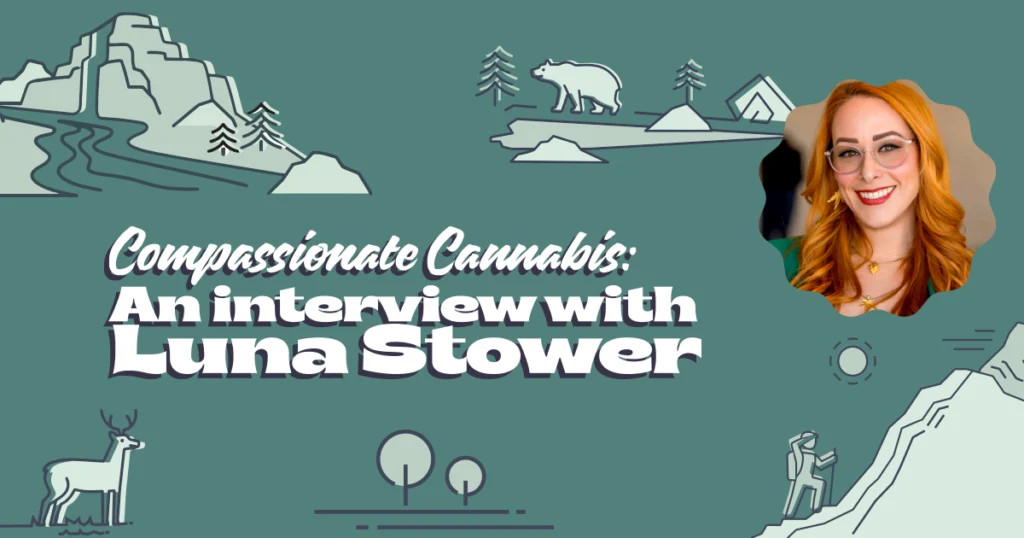
Table of Contents
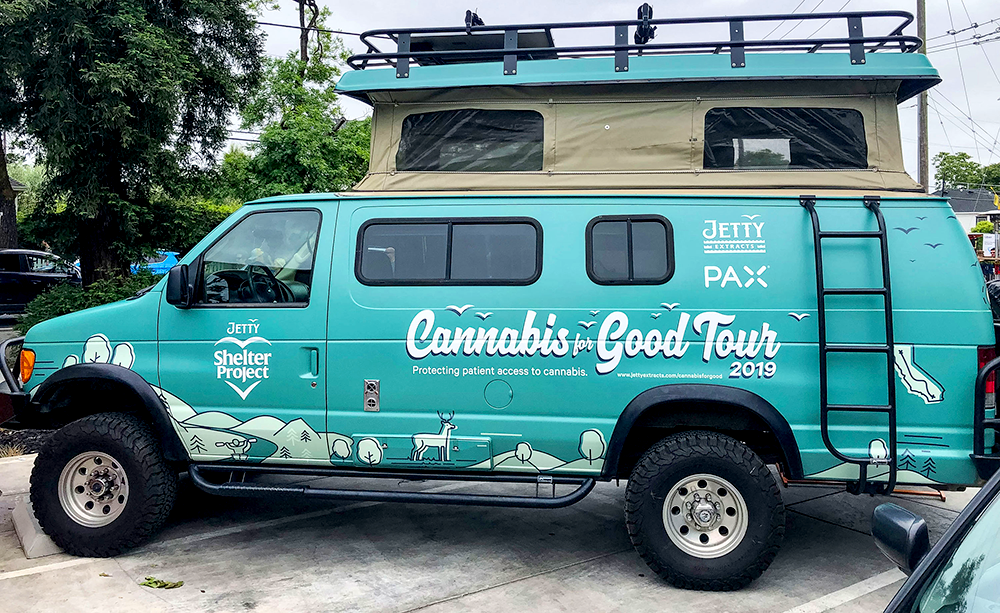
Compassionate cannabis has always been at the heart of Jetty Extracts. Long before adult-use dispensaries and flashy branding, there were patients who relied on donated cannabis to manage pain, nausea, and the side effects of serious illness.
One of the people working to protect that legacy is Luna Stower, Chief Impact Officer at Jetty Extracts. A longtime advocate and educator, Luna has helped shape Jetty’s Shelter Project and its broader compassionate cannabis advocacy, from supporting low-income patients to lobbying for laws that protect donation programs.
In this interview, Luna shares how the Shelter Project began, how policy changes have threatened compassionate care, and what she hopes to see from the cannabis industry in the years ahead.
About Luna Stower and the Jetty Extracts Shelter Project
Founded in 2014, the Jetty Extracts Shelter Project began as a compassionate-care initiative to give free cannabis to cancer patients in need. What started as a small, grassroots effort has grown into a multi-state cannabis donation program.
As of 2026, the Shelter Project operates in California, Colorado, and New York, having donated more than $1.2 million in cannabis products to 1,320 patients facing serious illness and financial hardship.
“We started the Shelter Project to serve the people who built this movement—the patients,” explains Luna. “It’s our way of honoring the roots of compassionate cannabis and keeping that promise alive.”
As Chief Impact Officer, Luna focuses on community partnerships, policy work, and education—ensuring that Jetty’s business decisions stay aligned with its compassionate cannabis advocacy and the needs of patients who rely on programs like Shelter.

The Role of Compassionate Cannabis for Patients
What is the Jetty Extracts Shelter Project?
“We started the Shelter Project to give free cannabis to cancer patients, helping more than a thousand Californians get the medicine they need with a simple doctor verification and proof of residency.
Ironically, after cannabis became regulated in California in 2018, legal requirements and taxes made it nearly impossible for compassion programs like Shelter to operate.
Senator Weiner introduced new legislation (SB 34) that we hoped would restore compassionate cannabis access. In the meantime, we continued supporting Shelter in a limited way at significant cost.”
Policy and Access: Compassionate Cannabis Advocacy in California
How did Prop 64 change the cannabis community in California?
“Prop 64 has given more retail access to cannabis and removed some crimes overall, but it’s had a negative effect in other ways. The fees for cannabis companies to produce and operate are prohibitively high, and the state and local taxes are so high that many customers prefer the unregulated market, which may not be safe to consume.
We’ve had many Shelter patients who complain that their symptoms have worsened or that the cancer has relapsed. Some have even lost their lives since we were forced to pause our project.”
What challenges remain for compassionate-care programs?
“Very few people, other than those directly impacted, understand the profoundly negative impact Prop 64 had on compassionate care.
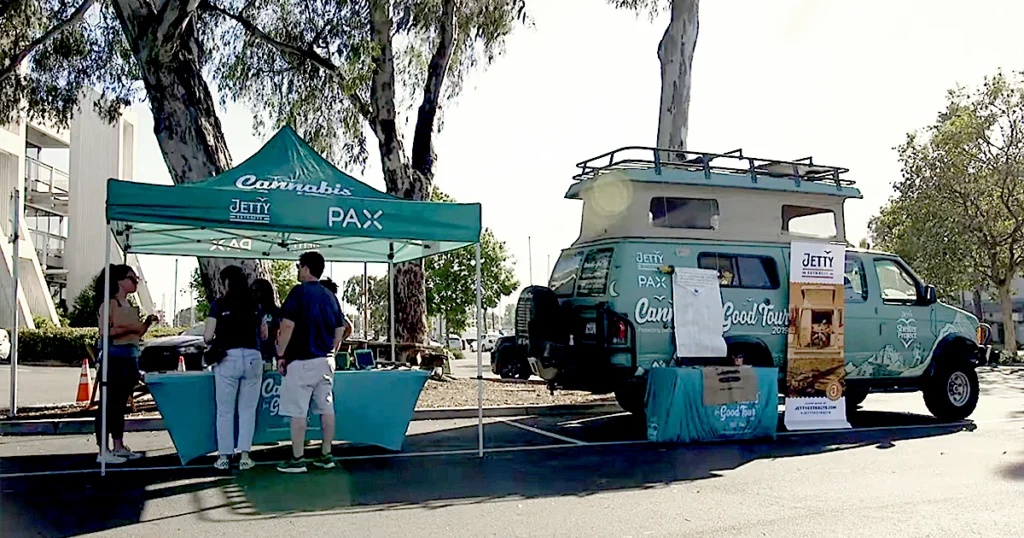
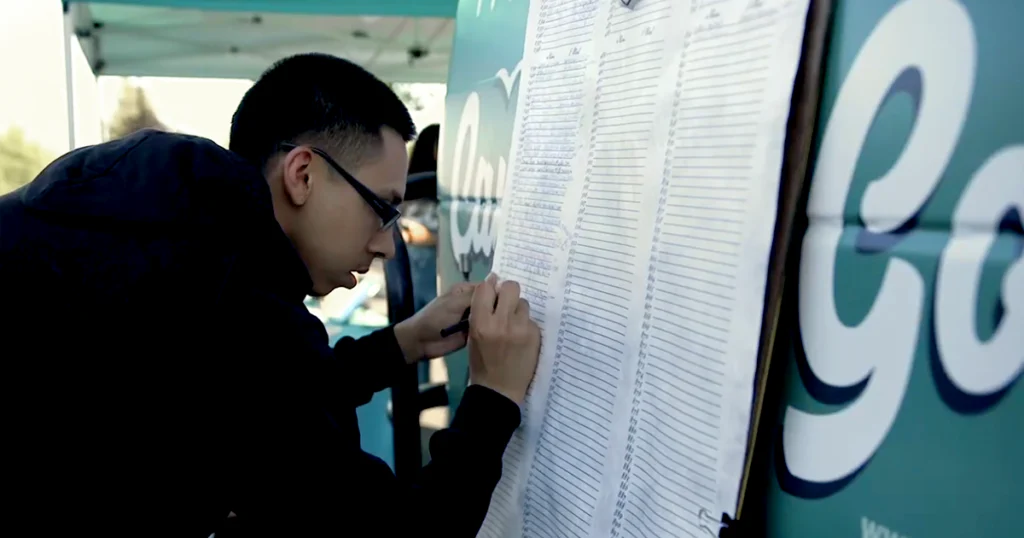
That’s why we created our #CannabisForGood Tour—to raise awareness, engage retailers and consumers, and advocate for SB 34, the Dennis Peron and Brownie Mary Compassionate Care Act, which finally allowed licensed providers to donate free cannabis products without penalty.”
Leaders and Legacy in Compassionate Cannabis
Who have been some of your heroes in compassionate cannabis?
“The late, great San Francisco activists Dennis Peron and Brownie Mary, Joe Sweetleaf, Ryan Miller of Operation EVAC, and Shelter Project founders Lindsey and Nina Parks.
They’re heroes because they show up, speak out, and dedicate their lives to serving those in need, despite the risks and expense.”
What’s your background and how did you transition from teaching to cannabis advocacy?
“I’m a passionate grassroots advocate with a long history of cause-based civic engagement. That work helped Jetty’s Shelter Project give back to underserved groups.
I left the public-school classroom to help nurture cannabis businesses to become stable, successful, and cause-driven entities like Jetty—companies that align with my core values: integrity, sustainability, diversity, honor, stewardship, and unity.”
The Future of Compassionate Cannabis Advocacy
What is your vision for the future of the cannabis industry?
“One where equity and compassion are prioritized. My vision is for a just industry that builds on the compassionate roots of the movement for medicine, and doesn’t just commodify it as a material good.
Cannabis has spiritual qualities and time-honored ceremonial uses across cultures. If those in power want true access, they must include poor folks and Black and Brown communities, not as an afterthought, but as a central priority when making legislation and setting taxes.”
Where to Learn More
Explore additional Shelter Project stories:
To see eligibility and enrollment details, visit the Jetty Extracts’ Shelter Project Page.

FAQs - Common Questions About the Shelter Project
What does “compassionate cannabis” mean?
Programs that provide free or reduced-cost cannabis products to patients with serious medical conditions and financial hardship. Compassionate care cannabis started in California’s early medical cannabis movement.
Who qualifies for the Shelter Project?
Patients with an active cancer diagnosis, a valid CA/CO/NY ID, a current medical cannabis card (MMICP in CA), and financial need verification. Apply HERE.
How often can patients apply?
Enrollment is open twice a year—from May 1 to June 30 and November 1 to December 31.
How can supporters help?
Share information about the Shelter Project and support legislation that protects compassionate care programs.
Related
Popular
Related

VAPE
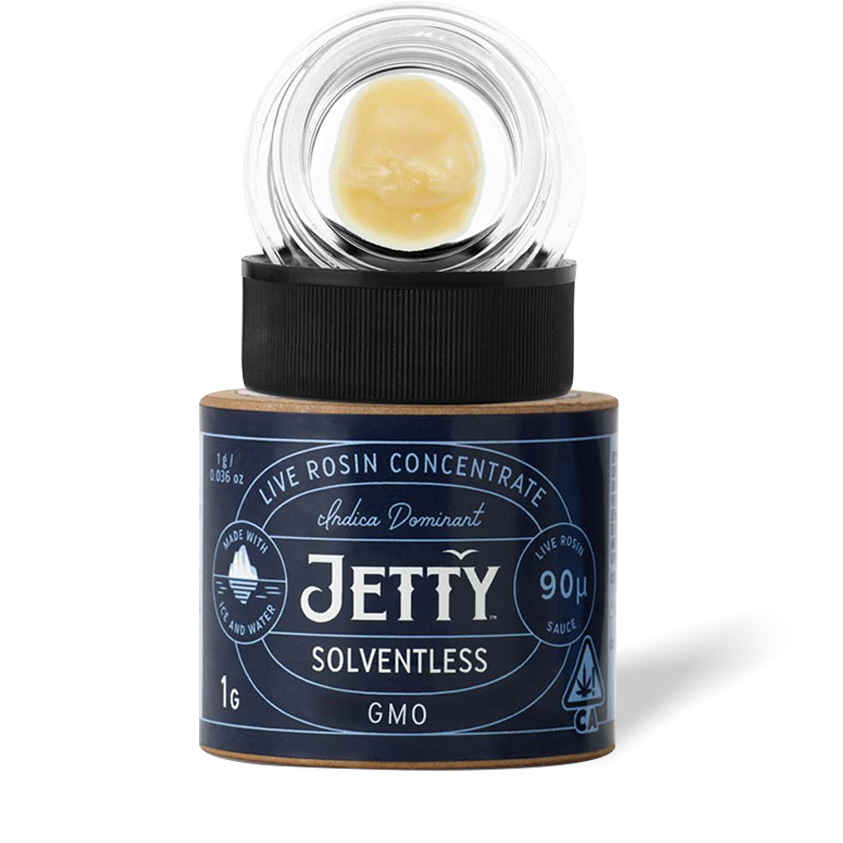
SOLVENTLESS
Solventless, Live Resin, and High THC vapes. The most discreet and convenient way to smoke
Sign Up for a
Chance to Win $500
consectetur adipiscing elit
Sign Up for a Chance to Win $500
consectetur adipiscing elit